Skip to Content
eTuk USA electric mobility backed by service parts technical support and fleet planning

Vehicle support from planning through operation

Electric Tuk Tuk Service, Parts & Fleet Support

eTuk USA supports Passenger, Cargo and Vendo operators beyond the initial vehicle purchase. Our service pathway can include project planning, custom-build coordination, deployment support, operator guidance, replacement-parts assistance, maintenance and diagnostic coordination, technical documentation and fleet planning based on the vehicle, configuration and support scope.

Vehicle & project support Parts coordination Maintenance guidance Diagnostics support Fleet planning

Service availability, covered components, parts availability, diagnostic capability, warranty coverage and response timing depend on the specific vehicle, component, supplier, location, written agreements and applicable warranty terms. Contact eTuk USA with the VIN and vehicle details so the correct support pathway can be identified.

Plan Select and configure the vehicle around the operating mission
Deploy Prepare delivery, operator needs and launch readiness
Maintain Support inspection, parts, maintenance and issue triage
Scale Standardize documentation, parts and fleet support

Direct answer

What services does eTuk USA provide?

eTuk USA supports commercial electric tuk tuk projects across vehicle selection, configuration, deployment and after-sales operation. Depending on the project and vehicle, support may include custom-build planning, parts sourcing and compatibility review, maintenance guidance, service coordination, diagnostic triage, operator documentation, fleet planning and connected- vehicle or telematics evaluation.

VEHICLE

Selection & Configuration

Match Passenger, Cargo or Vendo to the route, load, customer and operating environment.

PARTS

Replacement Support

Identify vehicle-specific components and coordinate compatible replacement-parts pathways.

SERVICE

Maintenance & Diagnostics

Organize symptoms, vehicle data, inspection findings and service information before repair decisions.

FLEET

Multi-Vehicle Support

Standardize configurations, documentation, service information and fleet operating practices.

eTuk support ecosystem

Support before, during and after deployment.

Commercial vehicle support begins before delivery. The better the vehicle, route, equipment and workflow are defined, the easier the fleet is to operate and maintain.

01 / VEHICLE PLANNING

Platform Selection

Define passengers, cargo, product, route, speed environment, site constraints and daily use before selecting the vehicle.

Explore Products
02 / ENGINEERING PATHWAY

Custom Builds

Evaluate layout, equipment, storage, utilities, accessories, finish and configuration around an approved platform.

Explore Custom Builds
03 / OPERATING CONCEPT

Business in a Box

Connect a defined market, customer, service concept and eTuk platform to a practical deployment scope.

Explore Business in a Box
04 / DELIVERY

Deployment Support

Coordinate vehicle scope, delivery requirements, documentation, operator preparation and launch planning.

Start a Project
05 / OWNERSHIP

Parts & Maintenance

Identify replacement-parts requirements, maintenance information and service pathways around the specific vehicle.

Request Parts Support
06 / TROUBLESHOOTING

Diagnostic Coordination

Organize VIN, symptoms, photos, video, error information and inspection findings to support efficient diagnosis.

Request Technical Support
07 / MULTI-VEHICLE

Fleet Support

Develop repeatable configurations, service records, parts planning and operating procedures across vehicles.

Explore Fleet Sales
08 / CONNECTED VEHICLE

Telematics Planning

Evaluate available location, utilization, vehicle-data and maintenance visibility based on hardware, connectivity and integration.

Discuss Fleet Technology
09 / OWNERSHIP ECONOMICS

Lifecycle Planning

Review purchase price together with equipment, maintenance, charging, parts, insurance and deployment costs.

Review Total Cost of Ownership

Vehicle lifecycle

Service begins before the first repair.

A commercial eTuk should move through a controlled lifecycle: specification, delivery, daily inspection, preventive maintenance and documented issue resolution.

01

Specify

Match the vehicle and equipment to the actual operating job.

02

Document

Record VIN, configuration, installed equipment and support information.

03

Inspect

Use consistent pre-operation and scheduled inspection practices.

04

Maintain

Address wear items, adjustment, cleaning and preventive service.

05

Repair & Learn

Document failures, parts used and corrective action for future support.

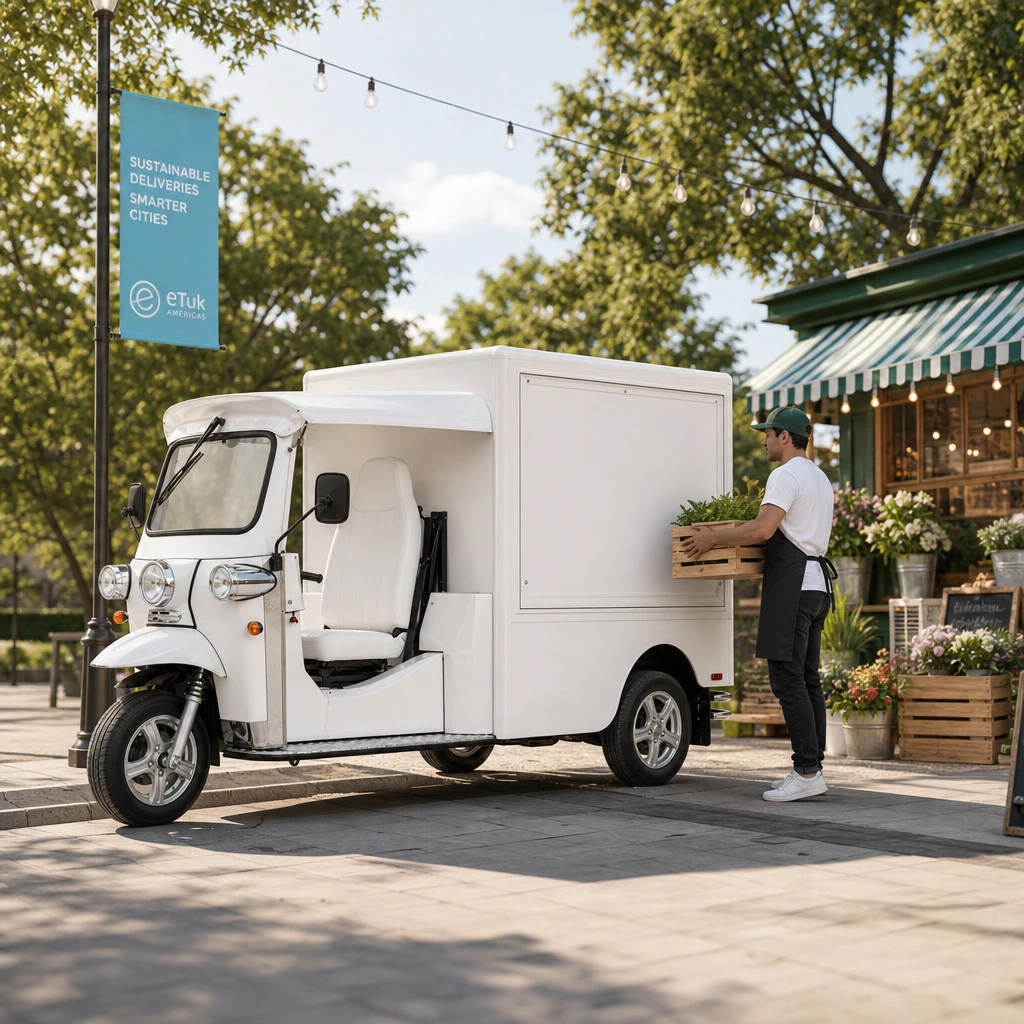
eTuk Cargo commercial electric vehicle supported by parts maintenance and service planning

Vehicle-specific service

Start every service request with the vehicle identity.

Commercial eTuks can differ by production date, configuration, body, controller, battery, charger, accessories and installed commercial equipment. Service should begin with the exact vehicle and symptoms rather than assumptions based only on model appearance.

  • 17-character VIN
  • Current vehicle location
  • Odometer or operating-hours context where available
  • Clear description of the symptom
  • Photos or video of the issue
  • Error messages, warning lights or controller information
  • Recent repair or modification history
  • Installed custom equipment that may affect the system

Replacement parts

Does eTuk USA provide replacement-parts support?

eTuk USA can help identify and coordinate replacement parts for supported vehicles. Correct identification matters because components can vary by vehicle, specification and production configuration.

Best practice: provide the VIN, clear photographs, component location, any visible part number and the vehicle configuration. Do not order a visually similar component solely from appearance when compatibility affects safe operation.
BODY & EXTERIOR Panels, lighting, mirrors, doors, trim and configuration-specific exterior components.
CHASSIS & RUNNING GEAR Steering, suspension, brake, wheel and other vehicle-specific mechanical service components.
ELECTRICAL Controls, switches, harness-related components, lighting and approved electrical accessories.
ENERGY SYSTEM Battery, charging and related components require exact specification and diagnostic review.
CARGO EQUIPMENT Doors, locks, storage, task lighting and installed equipment vary by build.
VENDO EQUIPMENT Commercial appliances may have their own manufacturer service and parts requirements.

Diagnostics & troubleshooting

Good diagnostics reduce unnecessary parts replacement.

The objective is to narrow the fault using vehicle identity, symptoms, inspection information and available system data before deciding what to replace.

01 / SYMPTOM

Define the Problem

When did it begin, what changed, and under what conditions does the issue occur?

02 / VISUAL

Inspect & Document

Look for damage, loose connections, leaks, unusual wear, heat, corrosion or recent modifications.

03 / DATA

Collect Available Information

Record warnings, voltage or charger behavior, controller information and available connected-vehicle data.

04 / ACTION

Repair or Escalate

Use the evidence to identify the correct repair, part, technician or higher-level support pathway.

Preventive maintenance

What should an eTuk operator inspect regularly?

The delivered vehicle documentation controls exact intervals and procedures. A commercial operator should also use routine visual and functional checks appropriate to the vehicle and operating environment.

BEFORE OPERATION

Safety & Condition

Check obvious damage, tires, lights, mirrors, steering feel, brakes, restraints, doors and safety-related equipment before use.

ENERGY

Battery & Charging

Confirm charge status, charging equipment condition, connectors and unusual heat, damage or charging behavior.

CARGO

Load & Access

Confirm doors, locks, shelves, restraints and load placement are appropriate for the operating task.

PASSENGER

Guest Area

Inspect seating, restraints, entry areas, handles, cleanliness and passenger-facing equipment.

VENDO

Commercial Equipment

Follow the appliance manufacturer’s inspection, sanitation and maintenance requirements in addition to vehicle service.

RECORDS

Document Issues

Record recurring symptoms, repairs, parts and inspection findings so future troubleshooting is faster.

Fleet service

Support becomes more valuable as the fleet grows.

Multi-vehicle operations benefit from standardization, predictable parts, clear records and consistent operator practices across locations.

STANDARDIZATION

Repeatable Vehicle Specifications

Reduce unnecessary variation in bodies, accessories, controls and commercial equipment where practical.

PARTS

Spare-Parts Planning

Identify operationally important wear and replacement items based on fleet configuration and duty cycle.

DOCUMENTATION

Vehicle Records

Track VIN, configuration, service history, modifications and installed components for each unit.

OPERATIONS

Inspection Procedures

Use a consistent daily and periodic inspection process appropriate to the fleet’s operating environment.

DATA

Telematics Evaluation

Where supported, evaluate location, utilization, vehicle status and service-related visibility.

ESCALATION

Clear Support Pathways

Define who operators contact, what information to collect and when a vehicle should be removed from service.

Support across applications

Service follows the vehicle’s actual job.

Passenger, cargo and vending vehicles create different maintenance, equipment and operational support requirements.

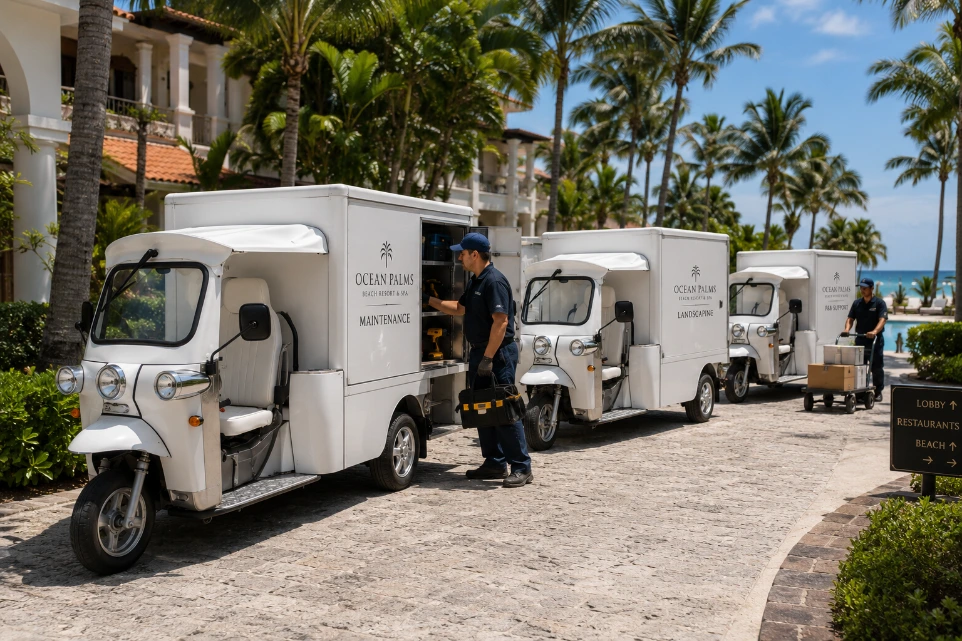
eTuk passenger shuttle supported for hotel and resort operations

Hotels & Resorts

Passenger presentation, property routes, daily inspection and guest-facing uptime.

Explore Hospitality →
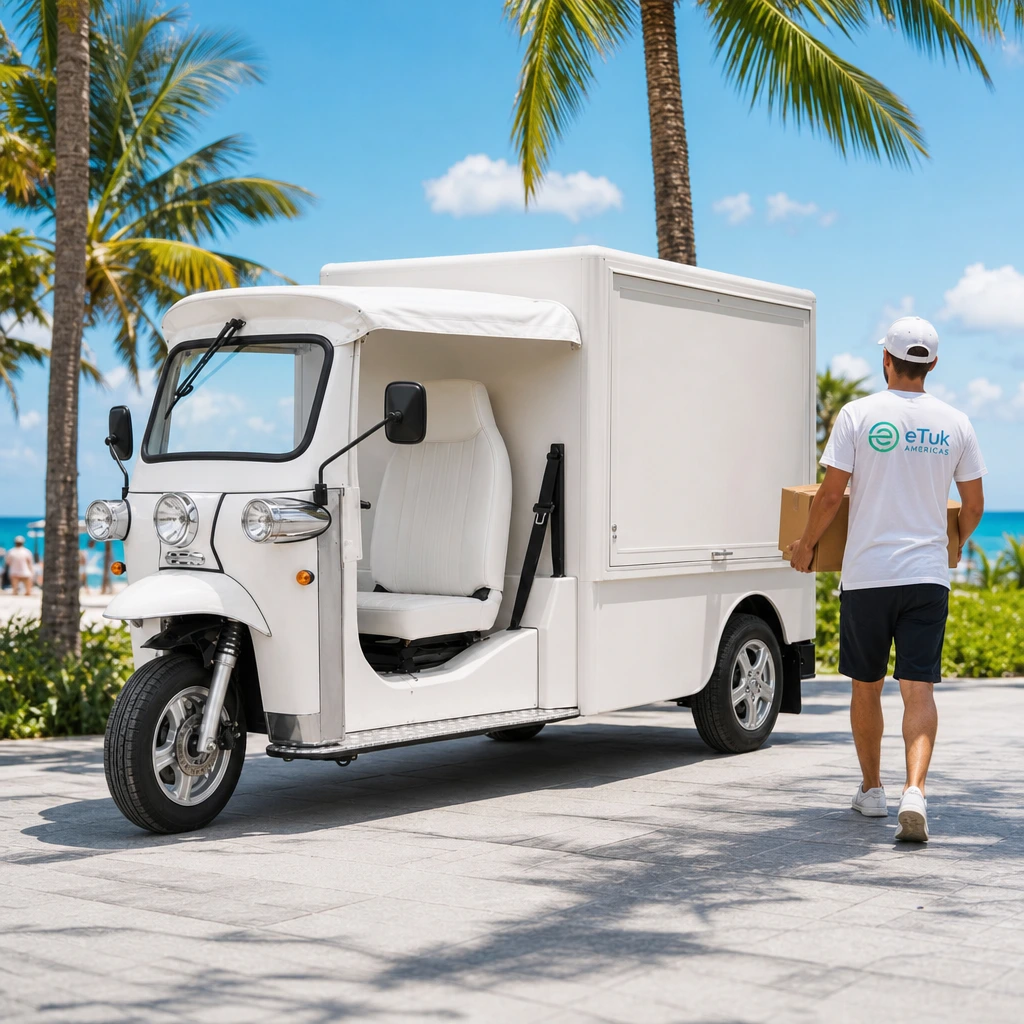
eTuk Cargo supported for commercial logistics facilities and campus operations

Cargo & Facilities

Load control, doors, locks, storage, work lighting and commercial duty cycles.

Explore Cargo →
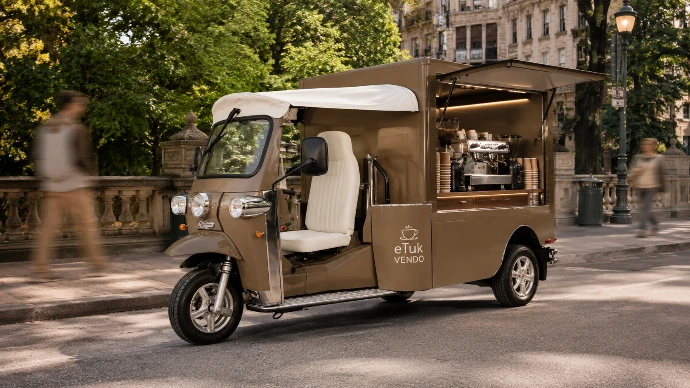
eTuk Vendo mobile coffee vehicle supported as a commercial business platform

Mobile Vending

Vehicle service plus separate requirements for appliances, sanitation, refrigeration and utilities.

Explore Vendo →

Custom-build service

How does service work for a custom eTuk?

A custom vehicle contains both the eTuk vehicle platform and project-specific components. Support should therefore identify which system is involved before parts or repair responsibility is assumed.

  • Vehicle platform and VIN
  • Body and fabrication specification
  • Installed accessory list
  • Commercial appliance manufacturer and model
  • Electrical or auxiliary-power architecture
  • Water, refrigeration or other utility systems
  • Modification history
  • Applicable component warranty documentation
eTuk Cargo and Vendo platforms supported through custom configuration and service

Support boundaries

Service scope depends on the vehicle, component and agreement.

A useful support relationship clearly separates vehicle troubleshooting from third-party equipment, operator responsibilities and jurisdictional requirements.

eTuk USA can help coordinate

Exact scope depends on vehicle, configuration, availability and written terms.

  • Vehicle identification
  • Parts compatibility review
  • Maintenance information
  • Technical issue triage
  • Service coordination
  • Custom-build documentation
  • Fleet planning
  • Available telematics pathways

Support does not automatically mean

These items require separate confirmation and should never be assumed from a general services page.

  • Every repair is warranty-covered
  • Every part is immediately in stock
  • Every issue can be diagnosed remotely
  • Unlimited on-site service
  • A guaranteed repair timeline
  • Third-party appliance warranty
  • Automatic regulatory approval
  • Operation without daily inspection

Faster support

What should I send when requesting eTuk service?

The more specific the first request is, the easier it is to identify the right documentation, part or next diagnostic step.

VIN Full 17-character vehicle identification number.
Location City, state and current location of the vehicle.
Issue Clear description of what happens and when it occurs.
Evidence Photographs, video, warning indicators and visible damage.
History Recent service, impact, modification or component replacement.
Configuration Passenger, Cargo, Vendo and installed custom equipment.
Urgency Is the vehicle parked, partially operating or needed for a scheduled commercial event?

Service pathway

From service request to resolution.

The exact process varies by issue, location, vehicle and responsible component provider.

STEP 01

Identify

Confirm VIN, vehicle configuration and support context.

STEP 02

Document

Collect symptoms, images, history and available diagnostic information.

STEP 03

Triage

Determine the likely vehicle, body, accessory or third-party system involved.

STEP 04

Coordinate

Identify parts, technical information, repair pathway or additional diagnostic requirements.

STEP 05

Record

Document corrective action and useful information for future maintenance.

eTuk service FAQ

Direct answers for owners and fleets.

Service, warranty and parts questions should always be tied to the exact VIN, configuration and written vehicle documentation.

What services does eTuk USA provide?

eTuk USA supports vehicle selection, custom-build planning, deployment, operator preparation, replacement-parts coordination, maintenance guidance, diagnostic triage, after-sales support, fleet planning and available connected-vehicle or telematics evaluation for supported eTuk vehicles.

Does eTuk USA provide parts and repair support?

eTuk USA can help identify replacement parts, review compatibility and coordinate a service pathway for supported vehicles. The exact repair method, technician, parts availability and coverage depend on the vehicle, component, location and applicable written terms.

How do I get service for my eTuk?

You have two ways to get started. Contact eTuk USA with the 17-character VIN, current vehicle location, description of the issue, photographs or video, warning information and any recent repair or modification history.

Or start with AIden AI Assistance. AIden can help navigate many common service issues, guide you through initial troubleshooting, identify the information you need to collect, help narrow down the problem and direct you toward the appropriate next step. When human technical support, parts or further service are needed, AIden can help prepare the information required for escalation to the eTuk USA team.

Are replacement parts available for eTuk vehicles?

Replacement-parts support is available for supported vehicles, subject to correct identification, compatibility and supplier availability. Provide the VIN and, when possible, photographs and visible part numbers before ordering.

Can eTuk USA help diagnose a vehicle problem?

Yes. AIden AI Assistance is the best place to start. AIden can guide you through initial troubleshooting step by step, help identify symptoms, collect the right vehicle information, review photos, warning messages and other available details, and help narrow down the likely source of the problem.

If the issue requires hands-on testing, measurements, replacement parts or inspection by a qualified technician, AIden can help prepare the case for escalation to the eTuk USA service team with the relevant information already organized.

Does eTuk USA provide remote diagnostics?

Yes. eTuk USA is building remote diagnostics around AIden AI Assistance and connected telematics systems installed on supported vehicles. Depending on the vehicle and configuration, the telematics system can provide access to selected vehicle data and diagnostic information, including certain faults, giving AIden and the eTuk USA team additional information to help identify a problem remotely.

AIden can combine this connected-vehicle information with symptoms, warning messages, photos, video and operator input to guide troubleshooting and determine the appropriate next step. The system is actively being expanded, with the goal of diagnosing and resolving an increasing share of service issues remotely as additional vehicle data and diagnostic capabilities become available.

Some mechanical, electrical or safety-related issues will still require physical inspection, measurements or hands-on service by a qualified technician.

Does eTuk USA support fleet customers?

Yes. Fleet support can include configuration standardization, deployment planning, documentation, parts planning, maintenance procedures, service coordination and evaluation of available fleet visibility or telematics capabilities.

What should an eTuk operator inspect daily?

Operators should follow the delivered vehicle documentation and use routine checks appropriate to the application. Typical items include obvious damage, tires, lighting, mirrors, steering, brakes, passenger restraints or cargo security, doors, charging status and unusual warning indications.

How does service work for a custom eTuk build?

First identify whether the issue involves the base vehicle, custom body, accessory, electrical system or third-party commercial equipment. Custom builds should be supported using the final build specification and installed-component documentation.

Does custom vending equipment use the same warranty as the vehicle?

Not necessarily. Commercial appliances, refrigeration, auxiliary power and other third-party equipment can have separate manufacturers, service requirements and warranty terms. The applicable written warranty documentation controls each component.

Can eTuk USA help after a vehicle warranty period ends?

Parts identification, technical information and service coordination may still be available after warranty coverage ends, subject to vehicle support, component availability and the work required. Warranty expiration does not by itself define whether parts or paid service support are available.

Does eTuk USA provide warranty support?

Warranty coverage is governed by the written warranty applicable to the specific vehicle or component. eTuk USA can help identify the relevant support pathway, but this services page does not create or extend warranty coverage.

What documents should I keep for eTuk service?

Keep the VIN and vehicle documents, final build specification, equipment documentation, maintenance records, repair history, parts records and any applicable warranty information. Fleet customers should maintain this information by vehicle.

Can eTuk USA support hotels and resort fleets?

Yes. Hospitality support can include Passenger and Cargo vehicle planning, fleet configuration, deployment, vehicle documentation, maintenance planning, parts support and service coordination.

Can eTuk USA support campus and facility vehicles?

Yes. Cargo and passenger applications can be evaluated around routes, loads, operating hours, charging, storage, inspection requirements and fleet-service procedures.

Can eTuk USA support mobile coffee, catering or vending vehicles?

Yes, but support must distinguish the eTuk vehicle from third-party commercial equipment. Vehicle service can be coordinated with the separate appliance, refrigeration, water, power and sanitation requirements of the Vendo build.

How should I compare service costs before buying an electric tuk tuk?

Compare purchase price together with routine maintenance, replacement parts, charging equipment, tires and wear items, custom commercial equipment, insurance, storage, downtime planning and expected vehicle utilization. Review total cost of ownership rather than the initial vehicle price alone.

Is eTuk service the same as golf cart service?

Not necessarily. The categories can share some electric-vehicle maintenance concepts, but vehicle architecture, components, registration, body systems, commercial equipment and parts differ. Use the correct vehicle documentation and compatible parts.
Need service, a replacement part or help planning your fleet?

For an existing vehicle, send the VIN, location and issue. For a new project, tell us the operating mission, vehicle type, quantity and deployment goal.