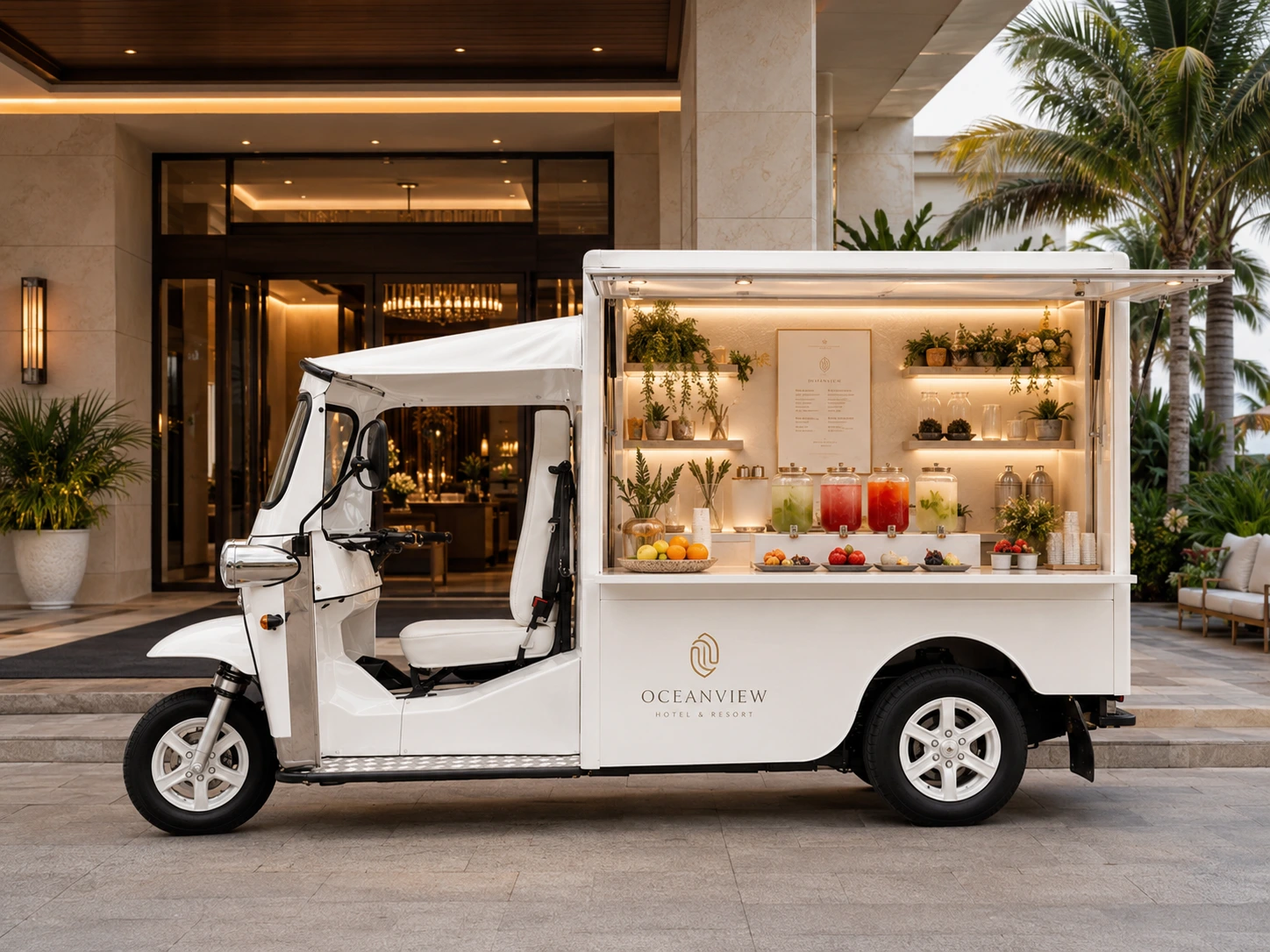
What is the most common commercial use for an electric tuk tuk?
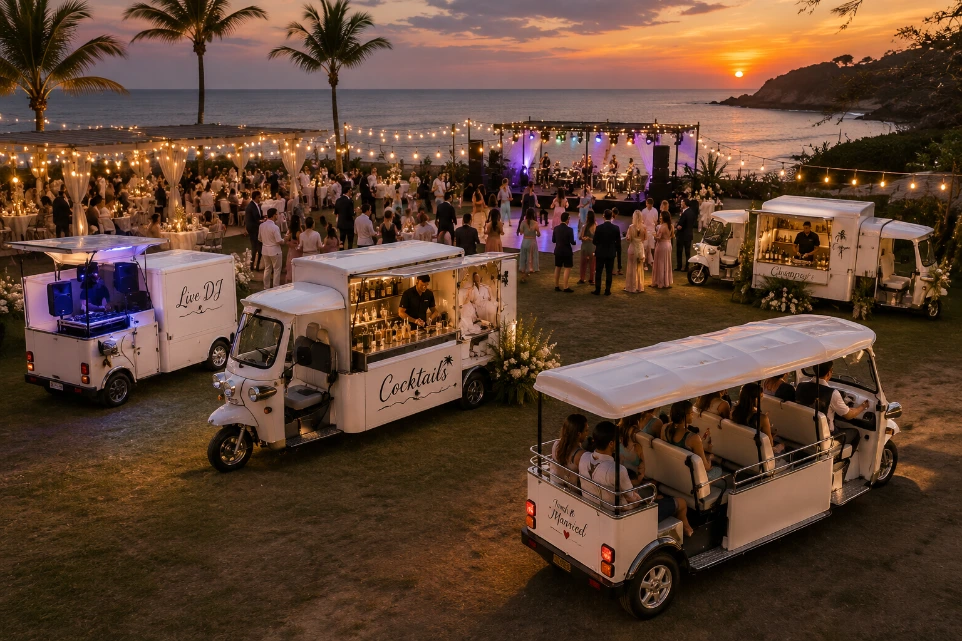
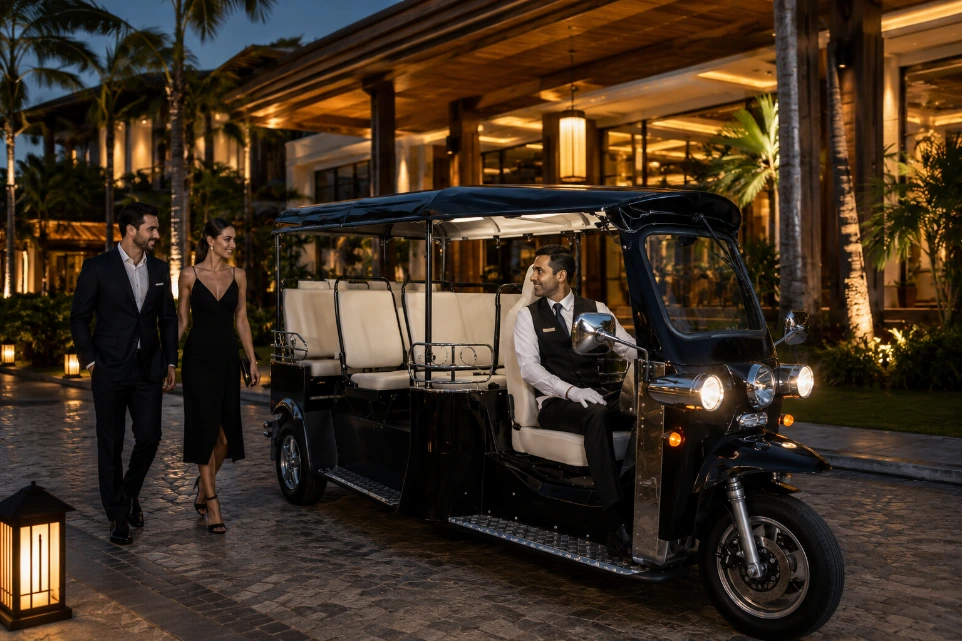
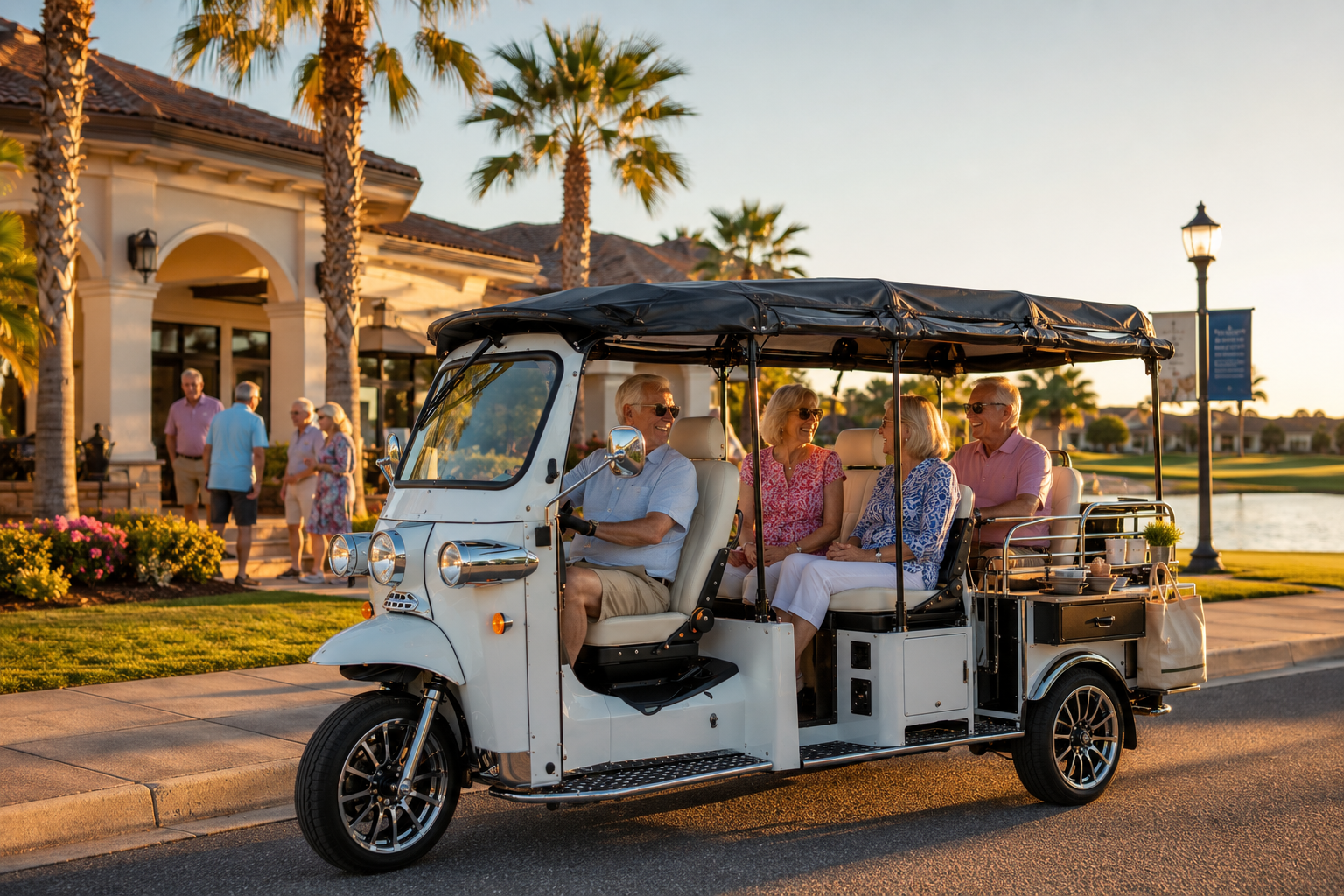
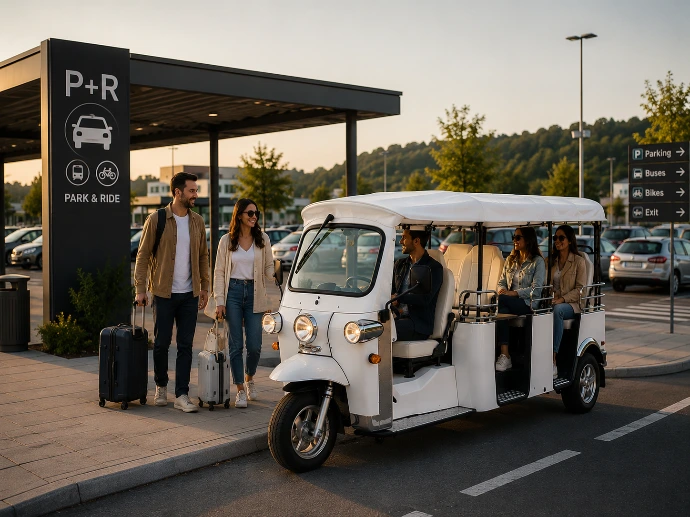
Common directions include short-distance passenger transportation, hospitality, events, mobile food and beverage service, branded activations, facilities work and cargo support. The best application depends on a specific customer, route, load and operating environment.
Which eTuk carries passengers?
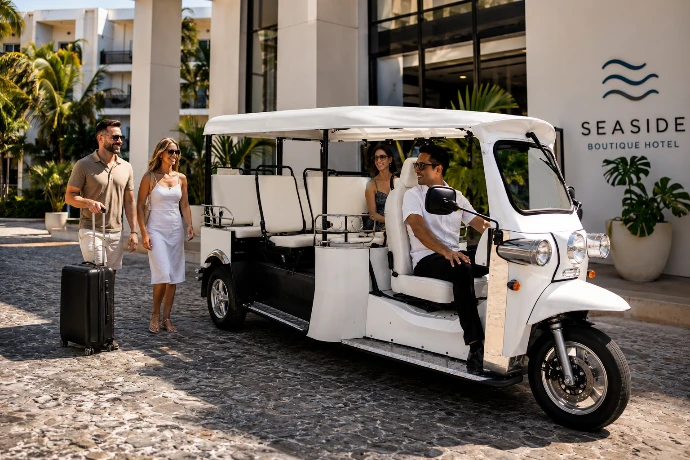
The eTuk passenger platform is designed for six passengers plus one driver in the current configuration. Use the Passenger eTuk page for vehicle facts and the Electric Shuttle page for route, demand, charging and service planning.
Which eTuk supports tools and supplies?
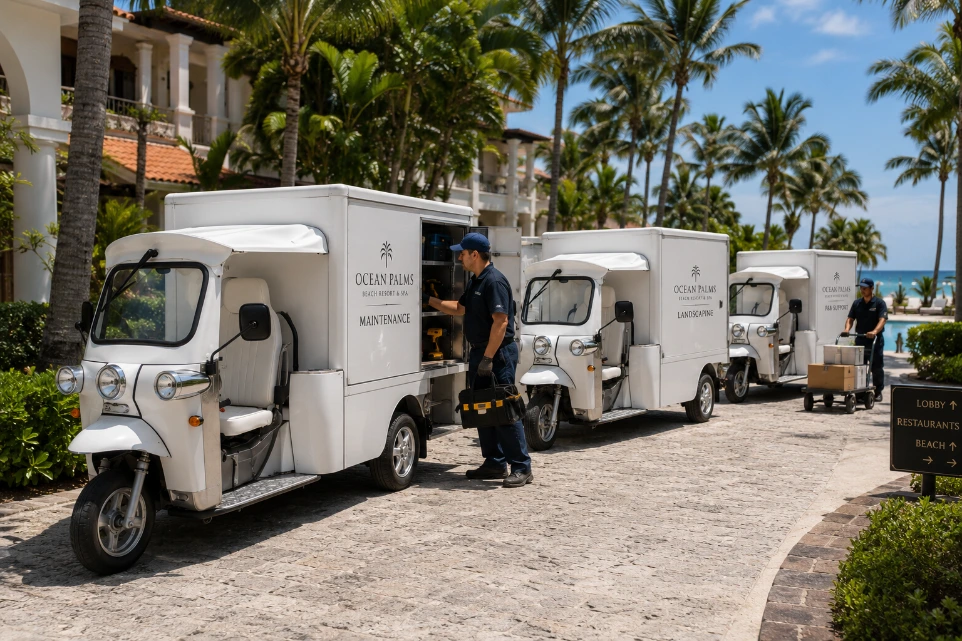
A cargo configuration can support tools, supplies, facilities work and defined commercial loads. Confirm payload, dimensions, enclosure, access, route and equipment requirements in the final written specification.
Can an eTuk be built for food or beverage service?
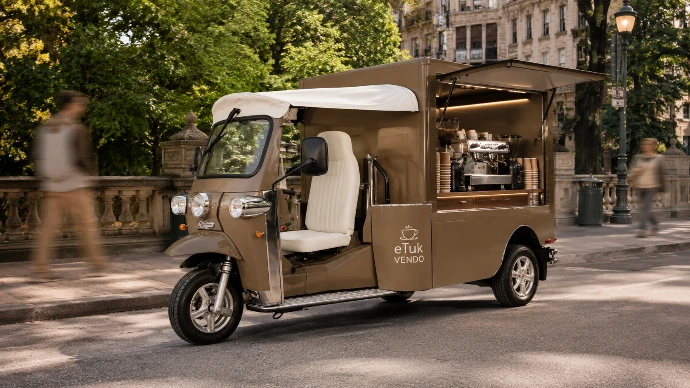
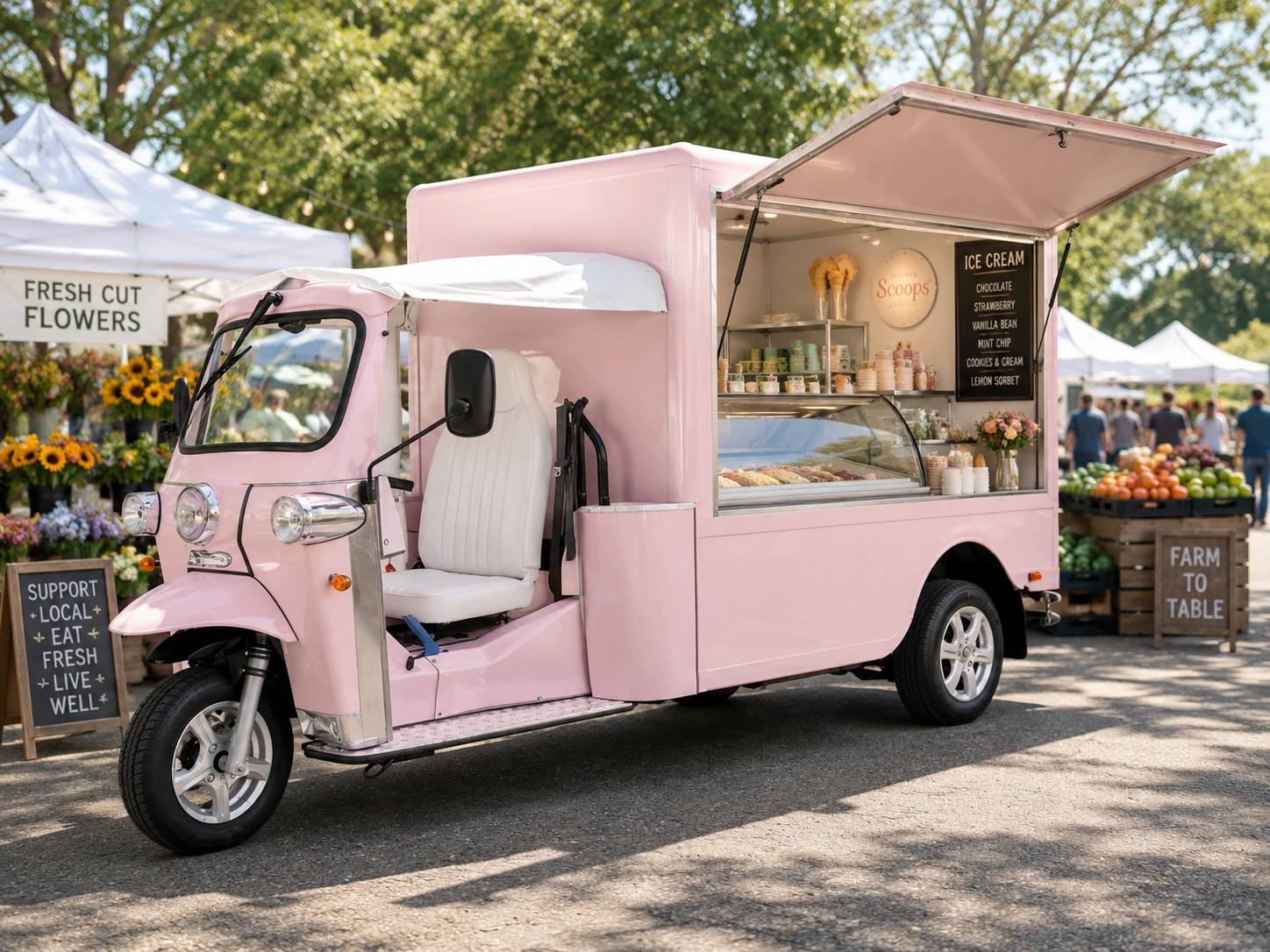
A Vendo platform can be evaluated for coffee, bakery, ice cream, frozen beverage and food-service concepts. The menu, preparation, equipment, power, water, waste, storage, service flow and approval pathway must be defined first.
Can organizations buy multiple eTuks?
Yes. Fleet planning should define vehicle roles, quantity, standard configurations, duty cycles, charging, delivery phases, operator procedures, maintenance, parts and support requirements before requesting a multi-vehicle proposal.
Are eTuks street ready and VIN assigned?
Each delivered eTuk is assigned an individual 17-character VIN and supplied in a street-ready configuration. Street-ready does not establish one registration class or unrestricted road access; state and local authorities determine applicable requirements.
How should a business choose between Passenger, Cargo and Vendo?
Choose Passenger for people, Cargo for tools and supplies, and Vendo for customer-facing mobile service. Then test the choice against the actual route, load, site, equipment, charging and approval requirements.
What information should I send for an industry consultation?
Send the industry, customer, location, route or service area, passengers or load, equipment, operating hours, charging location, desired quantity, budget range, delivery ZIP code and target timing.